

TL;DR
- Reddit citations in ChatGPT exploded 800% in 5 months (vs 400% ChatGPT growth we reported in April)
- ChatGPT referral traffic dropped 52% with GPT-5 launch
- Traditional SEO-AI overlap remains minimal at 19% (vs 12% we found in April)
- New findings on semantic URLs, JavaScript issues, and content freshness factors
Actually, his presentation was one of my favourites from the April BrightonSEO in the UK. I was so impressed that I wrote a detailed report about it.
So I was a bit worried this time might be the same content, and when I asked him before the session, he said it was “mostly the same as Brighton, with just a few updates.” However, when I actually attended the session, the changes over these 5 months were fascinating to observe.
At this BrightonSEO San Diego, Josh presented an updated analysis covering 250 million AI search responses.
About the Speaker
Josh Blyskal – AI Strategist, Profound
At Profound, Josh creates industry-leading strategies for some of the world’s most iconic brands like Ramp, Indeed, and US Bank. His work focuses on delivering clear, defensible visibility in AI search where it matters most—understanding how AI answers questions.
The Most Dramatic Shift: Reddit’s Meteoric Rise
The headline finding was absolutely staggering: Reddit has exploded 800% as a citation source in ChatGPT over just 5 months. To put this in perspective, back in April we noted ChatGPT’s 400% growth overall, but Reddit’s influence has grown at double that rate.
From barely 1% of citations in April 2025, Reddit now controls one out of every 12 global ChatGPT citations. This isn’t just growth—it’s dominance.
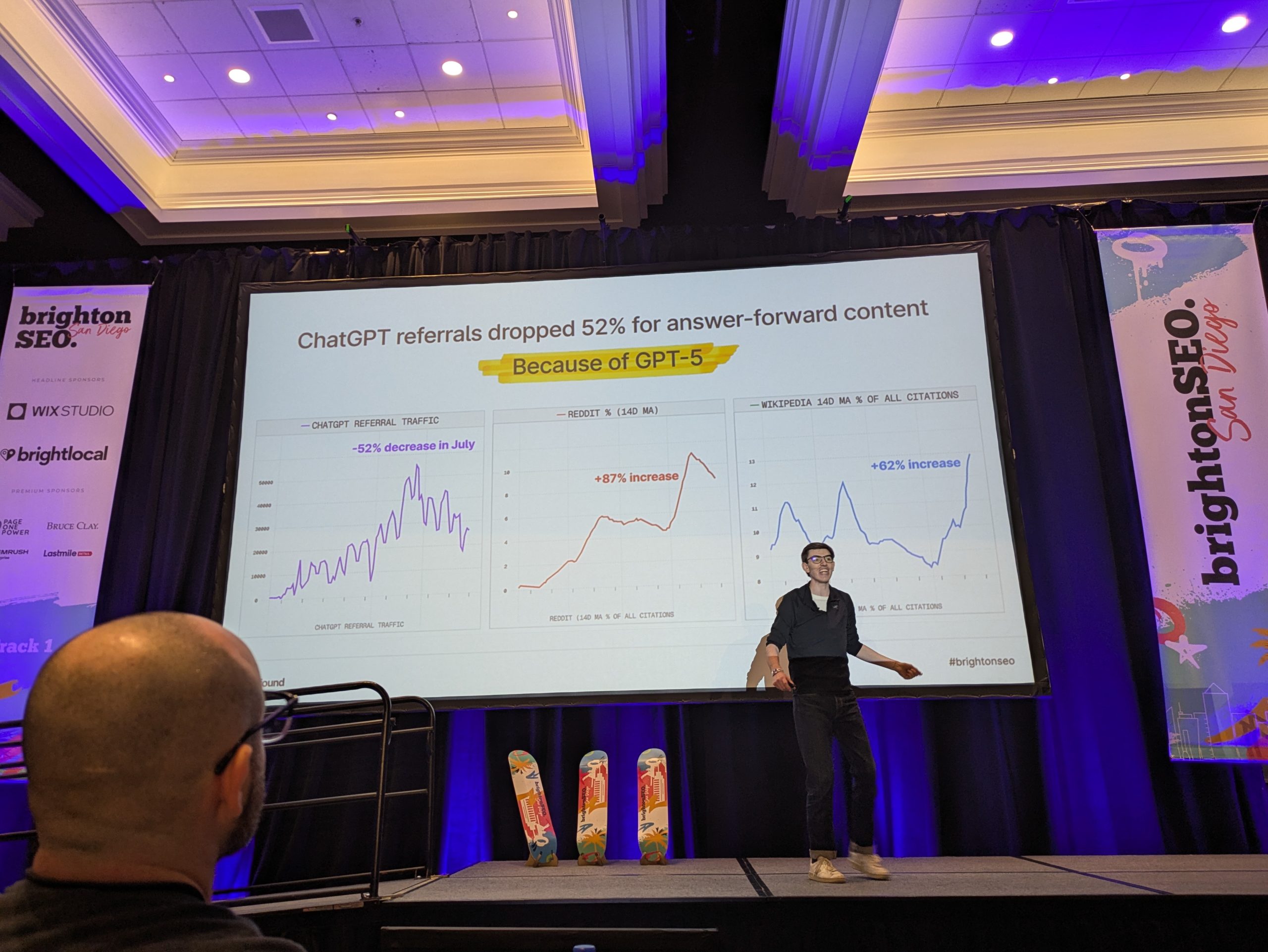
Simultaneously, we’re seeing a 52% decrease in ChatGPT referrals to traditional websites, particularly coinciding with GPT-5’s launch. This suggests AI models are increasingly keeping users within their ecosystem rather than directing them outward.
Technical Infrastructure Changes
ChatGPT Ditches Bing Partnership
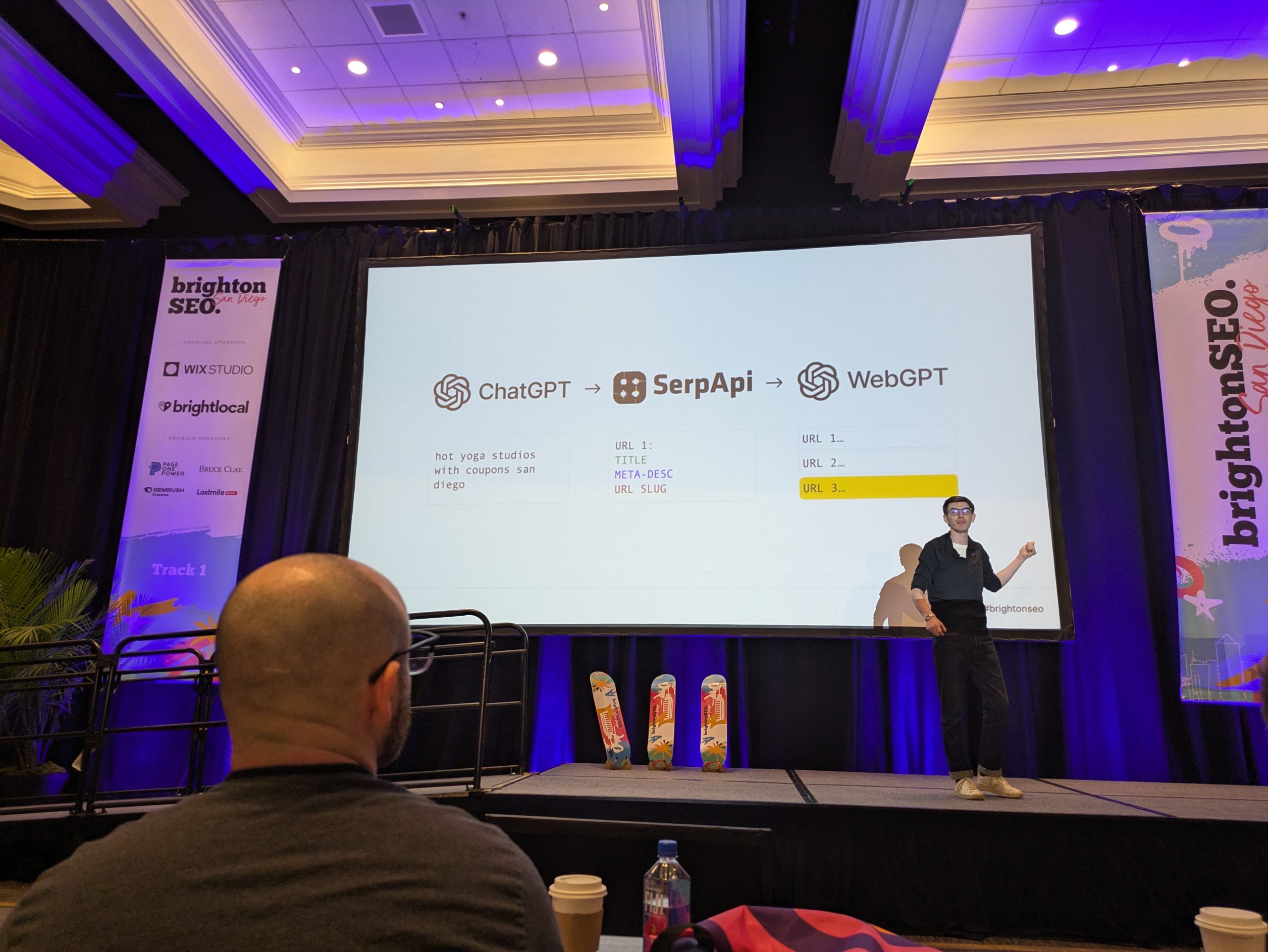
One of the biggest changes since April: ChatGPT has quietly switched from its exclusive Bing partnership to SearchAPI. This fundamentally changes the indexing landscape and explains some of the shifts we’re seeing.
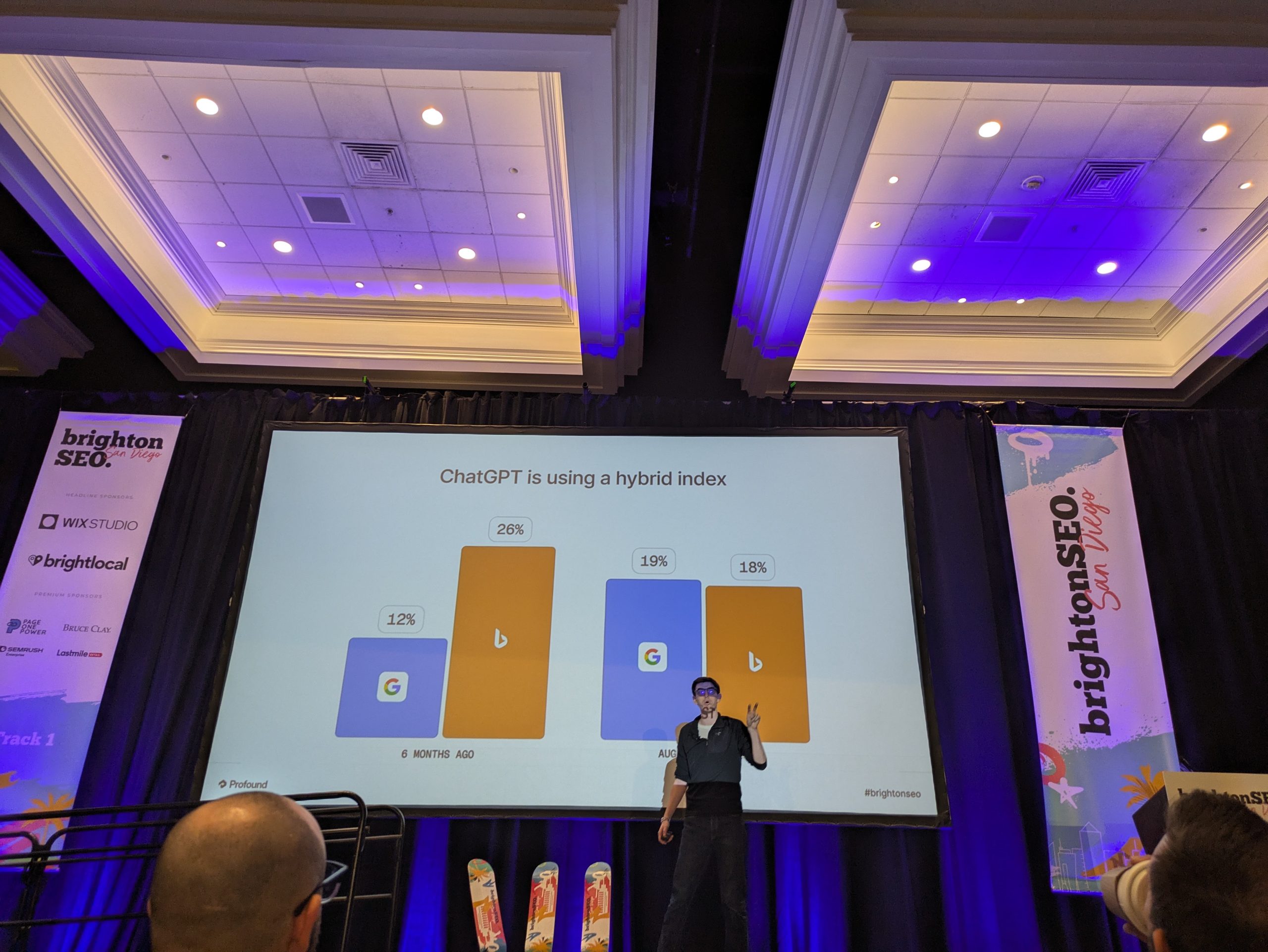
The result? We’re still seeing only 19% overlap between ChatGPT and Google results (up slightly from the 12% we reported in April), but the underlying mechanisms have changed completely.
New Technical Optimisation Discoveries
Several new findings emerged that weren’t covered in April:
JavaScript Remains Problematic: AI crawlers still cannot process JavaScript-rendered content effectively. Server-side rendering remains essential.
Semantic URLs Drive 11.4% More Citations: URLs using 5-7 natural language words significantly outperform cryptic alternatives. The URL structure literally markets the page to AI.
Meta Descriptions as Direct Answers: The most effective approach involves “spoiling” your meta description—providing direct answers rather than teasing content.
Content Strategy Evolution
The comparative content dominance we noted in April has intensified. Comparative/listicle content now accounts for 25% of all AI citations, confirming our earlier hypothesis that AI engines prefer pre-processed information.
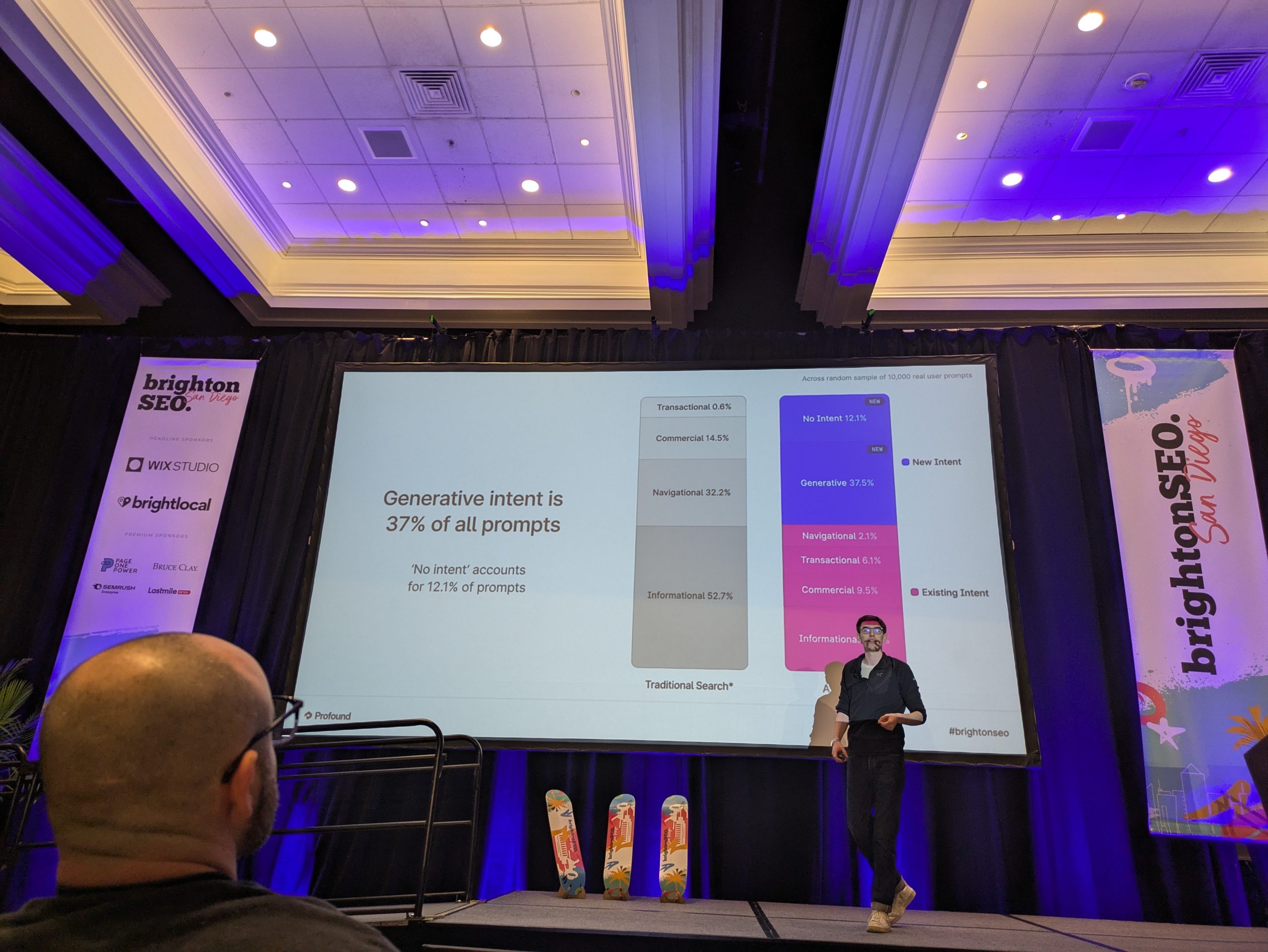
Interestingly, the intent distribution has also evolved, with generative intent accounting for 37% of all prompts—queries like “write me an email” or “create an image” that don’t exist in traditional search.
Personal Takeaways
What struck me most was how rapidly the AI search landscape continues to evolve. The 800% growth in Reddit’s influence over just five months demonstrates the breakneck speed of change in this space.
The emphasis on understanding AI algorithms internally rather than relying on traditional SEO signals has only intensified. This really made me think about how crucial it is to study the algorithms within AI for SEO success.
The dramatic differences between AI platforms in terms of citation preferences became even clearer with the expanded dataset. Each AI engine truly has distinct referencing behaviours, requiring tailored optimisation strategies rather than one-size-fits-all approaches.
The importance of backlinks revealed new insights—sites with fewer backlinks sometimes earning more AI citations—suggesting authority signals work completely differently in AI search compared to traditional SEO.
Finally, how UGC preferences vary by AI was particularly interesting. Reddit’s overwhelming strength in ChatGPT versus different patterns on other platforms shows that each AI engine weights different content types differently.
After the session, I asked Josh whether AI search results vary between regions. He’d tested this extensively and found minimal differences between English-speaking Western countries like the US and UK. However, results in India were dramatically different due to the multilingual environment, local content preferences, and distinct cultural contexts that influence how AI models prioritise and present information. This suggests language and cultural barriers create much larger variations in AI search results than geographic boundaries alone.
Related Resources
Written by Ayaka Uchida
CEO, A-Digital Works
This report covers Josh Blyskal’s updated session “We analysed 40,000,000 AI search results. Here’s what we found” at brightonSEO San Diego, September 24, 2025.
