

TL;DR
- Tested “best pizza” queries across 100 US cities using multiple LLMs via OpenRouter
- Your website remains the #1 source LLMs cite for local businesses
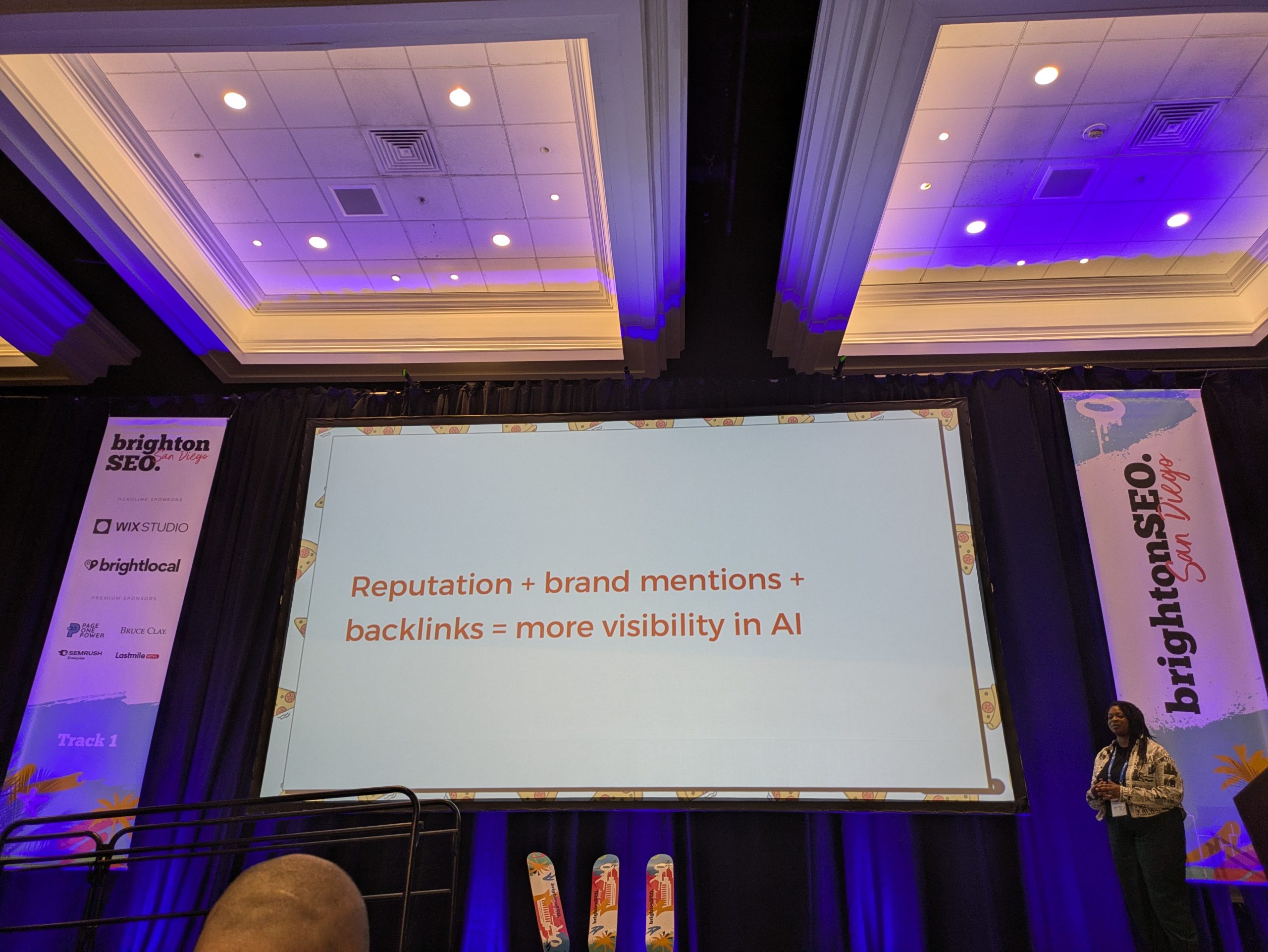
- Brand mentions matter more than backlinks—even Reddit mentions without links influence rankings
- High reviews + high ratings together are more valuable than either separately
- Pattern recognition matters: consistent messaging across platforms helps AI understand your positioning
About the Speaker
Amanda Jordan – Senior SEO Specialist, Owner.com
Amanda specialises in simplifying complex local SEO strategies and delivering actionable insights. She’s known for her practical, no-nonsense approach to making SEO work smarter, not harder.
Testing Methodology: Real Data Over Speculation
Rather than theorising about AI’s impact on local search, Amanda conducted actual research across 100 US cities, testing “best pizza in [city]” queries across multiple language models using OpenRouter, a tool that allows you to query several models simultaneously through one API.
This approach provided comparative insights across ChatGPT, Claude, and other LLMs, revealing both consistent patterns and model-specific behaviours.
Core Finding: Your Website Still Matters Most
Despite predictions that AI would bypass websites entirely, Amanda’s data showed websites remain the primary source LLMs cite for local business information. This held true across all tested models.

However, the landscape around that website matters enormously. The businesses that appeared most frequently weren’t just those with the best websites—they were those with the most diverse and consistent mentions across multiple sources.
Brand Mentions Trump Backlinks
One of the most significant findings challenges traditional SEO thinking: brand mentions without backlinks carry substantial weight in AI results.
Reddit proved particularly influential. Businesses mentioned positively on Reddit appeared in LLM results even when those Reddit posts contained no backlinks. This matters because Reddit’s culture actively discourages promotional links—you’d be called a shill and removed from the subreddit.
Yet these unlinked mentions still influenced AI recommendations, demonstrating that LLMs recognise brand authority through mentions alone.
The Reviews and Ratings Dynamic
Amanda found that high review counts and high ratings work synergistically. Having lots of reviews or high ratings separately wasn’t as powerful as having both together.
Most recommended restaurants clustered around 4.5 ratings. Businesses below 4.2 rarely appeared in “best” searches, regardless of other factors—mirroring Google Maps’ existing behaviour.
This creates challenges for multi-location businesses. LLMs consider the brand entity holistically rather than individual locations. A franchise with 20 locations benefits from aggregated reputation signals across all locations, giving multi-location businesses inherent advantages.
Source Diversity Matters
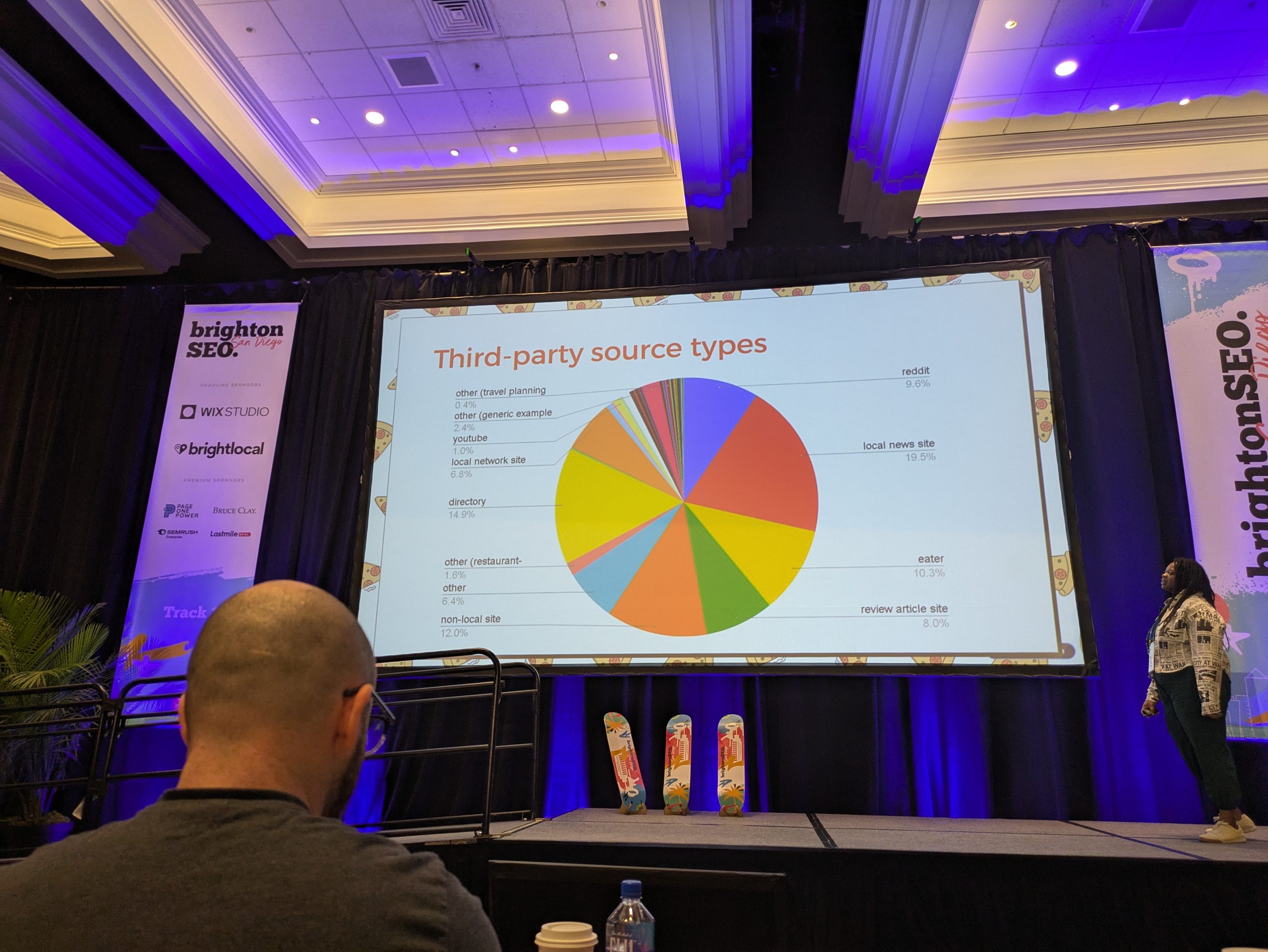
Winners—restaurants with the most mentions and highest visibility—appeared across the widest variety of sources: local news sites, review platforms (Yelp, TripAdvisor), travel sites, and social media.
Interesting outliers emerged:
- One restaurant appeared consistently solely because of a well-performing YouTube channel
- Another dominated results in Chicago by being the only restaurant mentioning “gluten-free deep dish” on their website
These edge cases demonstrate how unique positioning combined with clear messaging can create outsized visibility.
Model-Specific Behaviours
Claude showed the most consistent behaviour, repeatedly citing the same sources and rarely introducing unique recommendations. This consistency makes it potentially the easiest model to optimise for through testing.
ChatGPT and other models occasionally pulled in unexpected sources, showing more variability in their selection processes.
Pattern Recognition as Competitive Advantage
LLMs excel at pattern recognition but don’t truly understand concepts. They identify correlations without understanding causation. Amanda suggested leveraging this by creating consistent patterns across platforms.
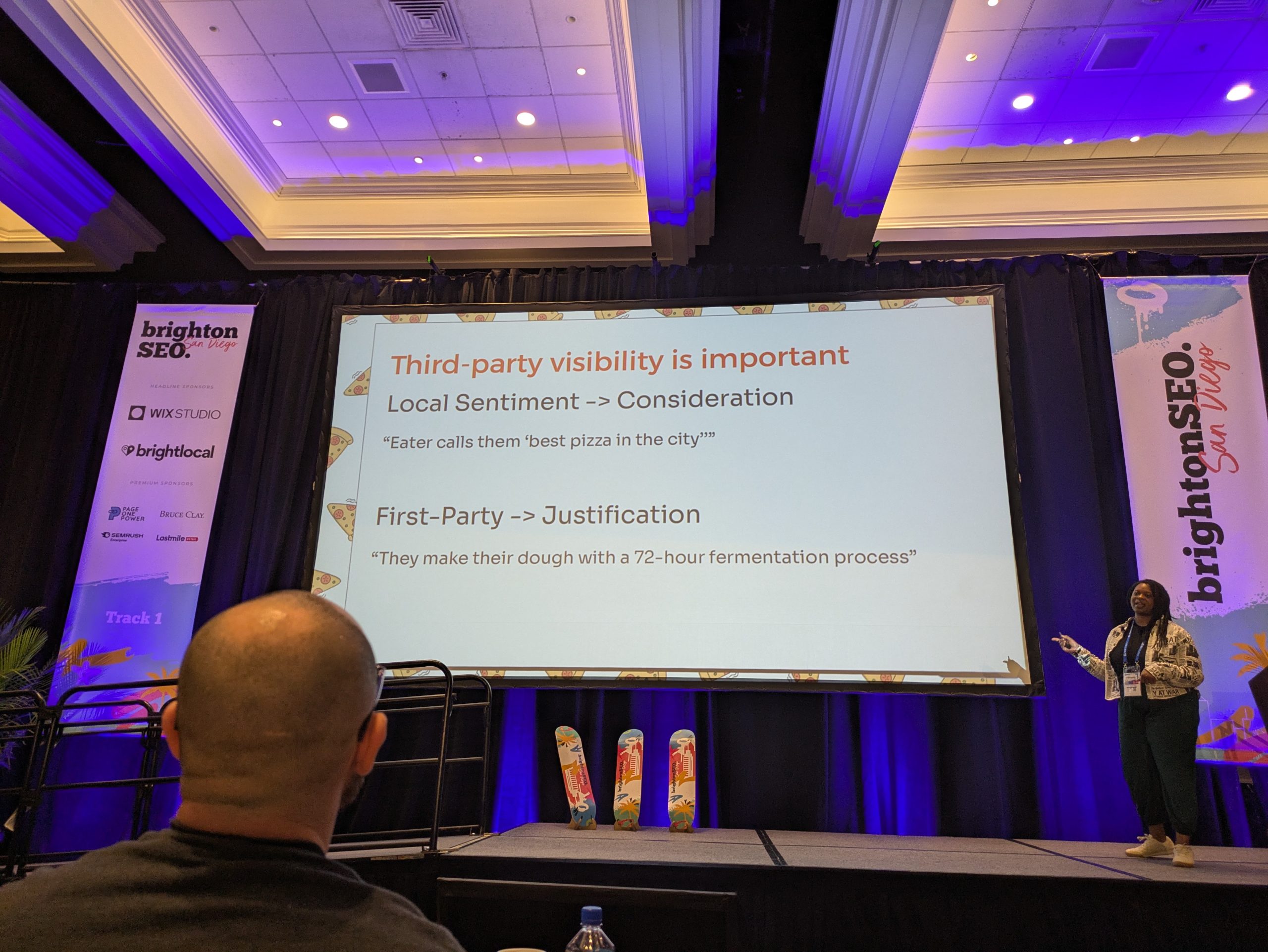
If you want to be known for specific attributes (wood-fired pizza, vegan options, family-friendly), those terms need to appear consistently across your website, reviews, social media, PR, and third-party mentions. This consistent signalling makes it easy for LLMs to recognise and recommend you for those specific queries.
Practical Recommendations
Messaging Consistency: Coordinate with PR, content marketing, and customer service teams to maintain consistent language about what makes your business distinctive. This shouldn’t be SEO working in isolation—it requires organisation-wide alignment.
Review Strategy: Focus on platforms where your customers actually leave reviews. For restaurants, that’s Yelp and TripAdvisor, not just Google. For law firms, it’s Avvo and Martindale-Hubbell.
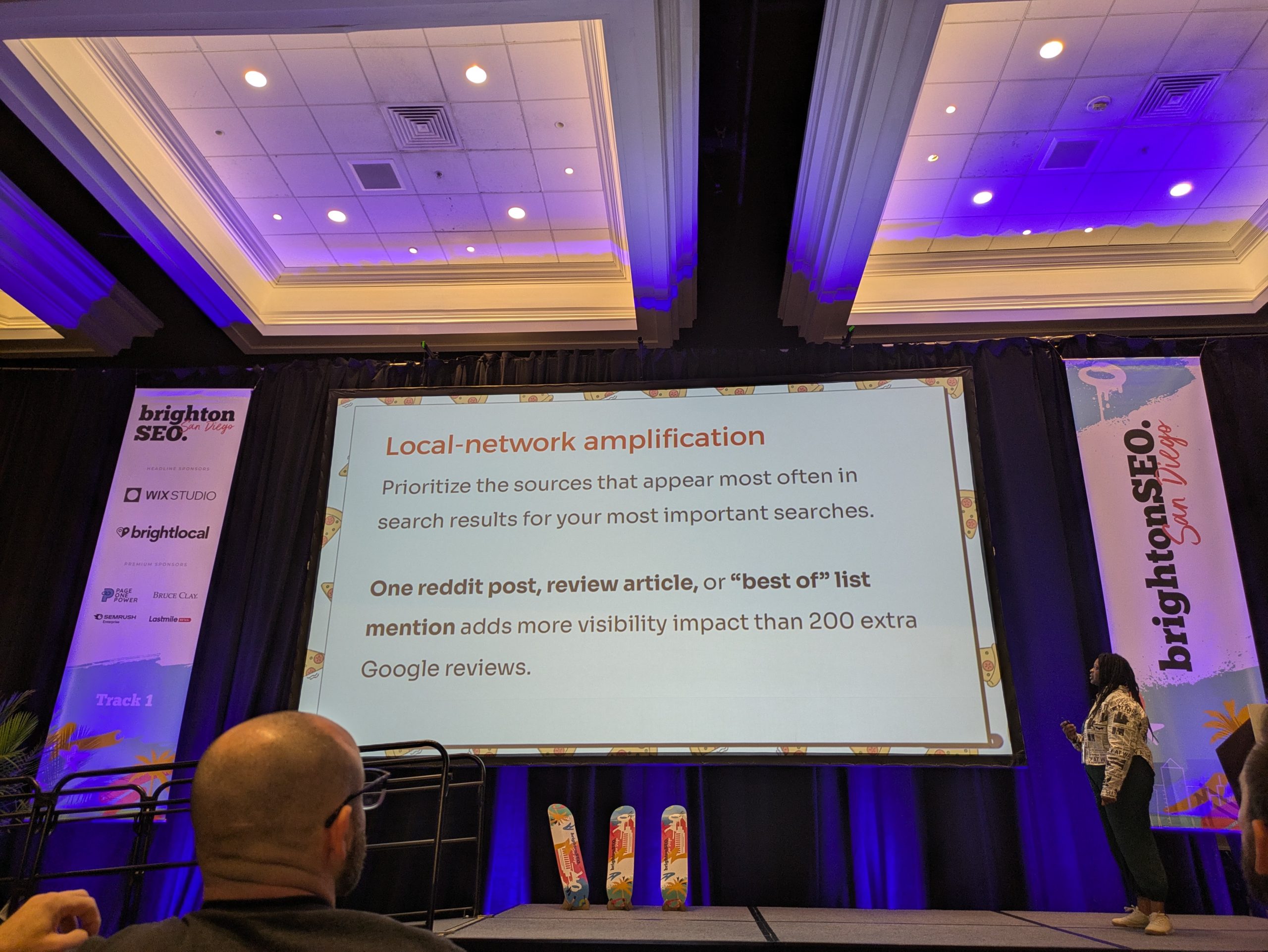
Reddit Engagement: Don’t shill. Instead, respond authentically to existing conversations about your business. Company representatives responding to feedback (positive or negative) perform better than trying to initiate promotional conversations.
Local Media Relations: Getting mentioned in local news articles and review sites carries significant weight. These aren’t traditional “backlink” plays—they’re brand visibility plays.
Fan-Out Query Optimisation: Consider likely follow-up queries customers might ask. If someone searches for pizza, they might follow up asking about specific styles (New York, Neapolitan) or dietary restrictions (gluten-free, vegan). Including these terms naturally positions you for these secondary queries.
Personal Takeaways
What made Amanda’s session stand out was her use of actual data—testing across 100 cities rather than speculating about AI’s impact. This grounded approach felt refreshing compared to theoretical discussions.
The finding that brand mentions carry more weight than backlinks was particularly interesting. It challenges traditional SEO thinking and shows how the rules are genuinely shifting for local search.
Her recommendation to focus on 3-5 key words for positioning made practical sense. Rather than broad messaging, clear and consistent signals help AI understand what you’re actually about.
The pattern recognition insight was valuable—if AI relies on correlation, creating consistent signals across platforms makes it easier for algorithms to categorise and recommend your business appropriately.
Related Resources
- Speaker: Amanda Jordan
- OpenRouter – Multi-model testing tool mentioned in session
Written by Ayaka Uchida
CEO, A-Digital Works
This report covers Amanda Jordan’s session “How AI is rewriting the rules of local search (and what you can do about it)” at brightonSEO San Diego, September 24, 2025.
